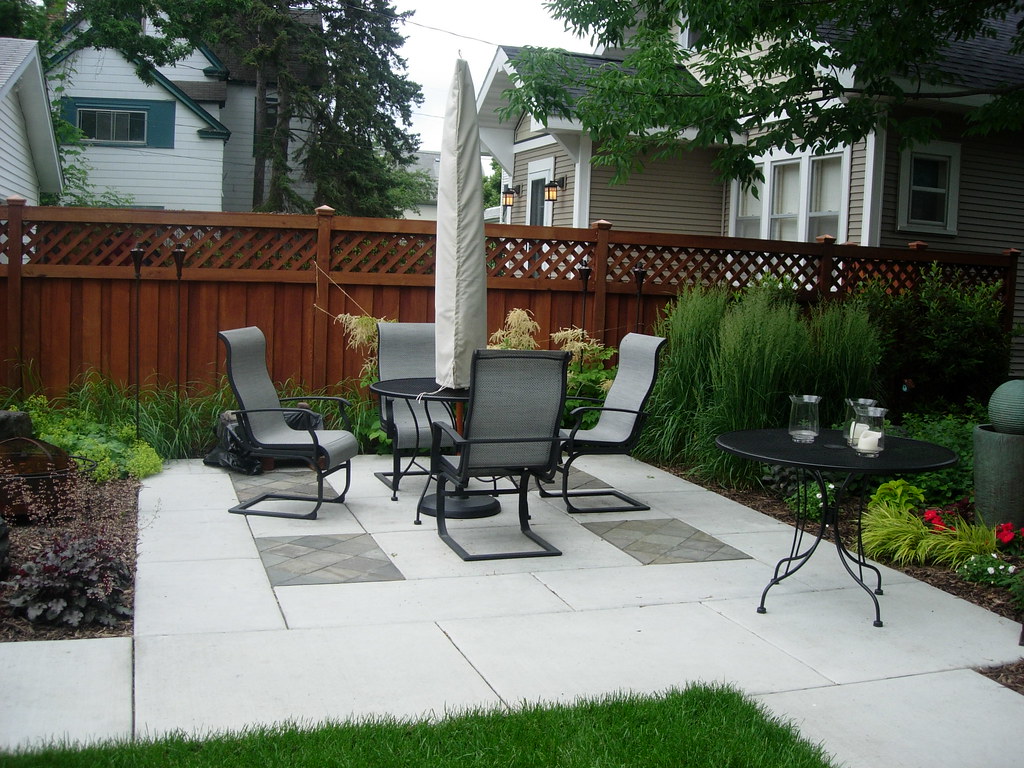
One of the first decisions every Maryland homeowner faces when planning a new patio is also one of the most important: what material should the patio be made from? The choice affects how the patio looks, how long it lasts, how much it costs, how much maintenance it requires, and how well it holds up through Maryland's demanding four-season climate.
There is no universally "best" patio material. The right choice depends on your budget, your home's style, how you plan to use the space, and how much maintenance you're willing to commit to. This guide walks Maryland and Delaware homeowners through every major patio material option — the pros, the cons, the costs, and the situations where each one makes the most sense.
Maryland's climate puts outdoor materials through a real test. Hot, humid summers. Significant rainfall in spring and fall. Freeze-thaw cycles in winter that expand and contract the ground beneath any surface. Any patio material that performs well in a mild climate may fail quickly in Maryland if it wasn't chosen and installed with our specific conditions in mind.
The two most important material properties for Maryland patios are freeze-thaw resistance and drainage compatibility. A material that absorbs water and then freezes will crack, heave, and deteriorate. A surface installed without proper drainage will pool water, undermine the base, and fail prematurely regardless of how good the material itself is.
With that context in mind, here is how each major patio material performs in Maryland specifically.
Concrete is the most widely used patio material in Maryland for good reason. It is versatile, relatively affordable, and when properly installed, extremely durable. The days of plain gray slabs being the only option are long gone — decorative concrete finishes have made it one of the most design-flexible choices available.
Brushed or broom-finish concrete is the most basic and affordable option. The textured surface provides good slip resistance and holds up well in Maryland's climate. It is plain in appearance but clean, functional, and long-lasting.
Stamped concrete is poured concrete with patterns pressed into the surface before it cures, mimicking the look of stone, slate, brick, or wood. Combined with integral color or surface staining, stamped concrete can closely replicate premium materials at a fraction of the cost. It requires sealing every few years to maintain its appearance and protect against Maryland's freeze-thaw cycles.
Exposed aggregate concrete has the top layer washed away during curing to reveal the natural stones within the mix. The result is a textured, multi-toned surface with excellent slip resistance — a particularly good choice for pool decks and high-traffic areas.
Cost in Maryland: $6–$22 per sq ft installed depending on finish.
Best for: Maryland homeowners who want a durable, customizable surface at a competitive price point, especially for larger patios where material costs add up quickly.
Drawbacks: Concrete can crack over time in Maryland's freeze-thaw climate, especially if the sub-base was not properly prepared. Cracks in a poured slab are difficult and expensive to repair seamlessly — the whole section typically needs to be replaced.
Concrete pavers are individual pre-cast units installed over a compacted crushed stone base and bedding sand. They are the most popular patio material among Maryland homeowners investing in a designed outdoor space — and for good reason.
Pavers handle Maryland's freeze-thaw winters better than poured concrete because each individual piece can flex and move slightly with ground movement rather than cracking as a single rigid slab. If a paver does crack or shift, it can be replaced individually without disturbing the rest of the surface.
The design flexibility of concrete pavers is exceptional. They come in dozens of shapes, sizes, colors, and finishes — including options that closely mimic natural stone, brick, and even wood grain. Patterns like herringbone, running bond, and multi-size layouts add visual interest and a custom, high-end feel.
Cost in Maryland: $15–$25 per sq ft installed.
Best for: Maryland homeowners who want the best combination of durability, design flexibility, repairability, and long-term value. This is the most commonly recommended patio material for Maryland properties.
Drawbacks: Higher upfront cost than poured concrete. Weeds can grow in joints over time if polymeric sand and sealing are not maintained.
Natural stone is the premium choice for Maryland patios. Each piece is unique, the colors and textures are unmatched by any manufactured product, and a well-installed natural stone patio adds a level of character and beauty that no other material can fully replicate.
Bluestone is the most popular natural stone choice for Maryland patios. It has a beautiful blue-gray color with natural variation, excellent durability, and a classic look that complements both traditional and contemporary Maryland homes. Cut bluestone has a clean, formal appearance. Irregular or random-pattern flagstone bluestone has a more organic, relaxed feel.
Travertine is beloved for pool decks and outdoor living areas in Maryland because it stays relatively cool underfoot in direct summer sun — a real advantage. Its warm, creamy tones work beautifully in outdoor settings.
Flagstone in various species creates an organic, natural-looking patio with an old-world character. The irregular shapes and natural color variation make every flagstone patio genuinely unique.
Cost in Maryland: $25–$50+ per sq ft installed depending on stone type and pattern complexity.
Best for: Maryland homeowners who prioritize aesthetics and are willing to invest in a premium material that adds significant character and resale value.
Drawbacks: Higher cost than concrete or pavers. Some natural stone requires sealing and careful maintenance. Irregular flagstone can be uneven underfoot if not installed carefully.
Natural clay brick pavers have a classic, timeless look that suits Maryland's many traditional and colonial-style homes beautifully. They are extremely durable — brick has been used as a building and paving material for centuries — and maintain their color well over time without fading.
Brick pavers perform well in Maryland's climate, though they can develop moss or algae growth in shaded, moist areas that requires periodic cleaning. Their rustic character improves with age in a way that most manufactured materials don't.
Cost in Maryland: $20–$30 per sq ft installed.
Best for: Maryland homeowners with traditional or historic-style homes, or anyone who loves the classic brick aesthetic that is common throughout Maryland's older neighborhoods.
Drawbacks: More limited color range than concrete pavers. Can develop moss in shaded areas.
Porcelain pavers are the newest major option in the Maryland patio market and one of the fastest-growing in popularity. Large-format porcelain tiles — typically 24x24 inches or larger — create a sleek, modern surface that is virtually maintenance-free.
Porcelain is non-porous, meaning it does not absorb water, stains, pool chemicals, or organic material. It resists fading, scratching, and freeze-thaw damage when properly installed. And modern porcelain paver designs are genuinely impressive — realistic wood grain, concrete-look, and natural stone appearances that rival the real thing.
Cost in Maryland: $25–$45 per sq ft installed.
Best for: Maryland homeowners who want a modern, ultra-low-maintenance patio surface with a high-end appearance.
Drawbacks: Higher cost. Some finishes can be slippery when wet — always specify outdoor/slip-resistant rating when selecting for patios and pool decks.
Here is a quick decision guide for Maryland homeowners:
Choose concrete if you want the most affordable option for a large surface area and are comfortable with a decorative finish like stamping or exposed aggregate.
Choose concrete pavers if you want the best overall combination of durability, design flexibility, repairability, and long-term value. This is the right choice for most Maryland homeowners.
Choose natural stone if budget is not the primary constraint and you want the highest level of beauty and character. Bluestone in particular is a Maryland classic.
Choose brick pavers if your home has a traditional or historic style and you want a material that complements it naturally.
Choose porcelain pavers if you want a modern aesthetic and the lowest possible maintenance commitment.
The most important thing to understand about patio materials in Maryland is this: the material matters less than how it is installed. A premium natural stone patio on a poorly prepared sub-base will fail. A budget concrete paver patio on a properly compacted, well-drained base will last 25 years.
Every patio material in Maryland needs a properly excavated and compacted crushed stone sub-base of appropriate depth — typically 6–8 inches minimum. Drainage must be considered and designed into the installation. Edge restraints, joint sand, and sealing all play a role in long-term performance.
When evaluating contractors, ask about their installation process as much as their material costs. A contractor who can clearly explain sub-base preparation, drainage planning, and long-term maintenance requirements is a contractor who knows how to build something that lasts.

At Unlimited Landscaping, we help Maryland and Delaware homeowners choose the right patio material for their specific property, style, and budget — and then install it properly so it performs for decades.
Request your free patio estimate today.
Unlimited Landscaping — Where Your Outdoors Has No Limits.


