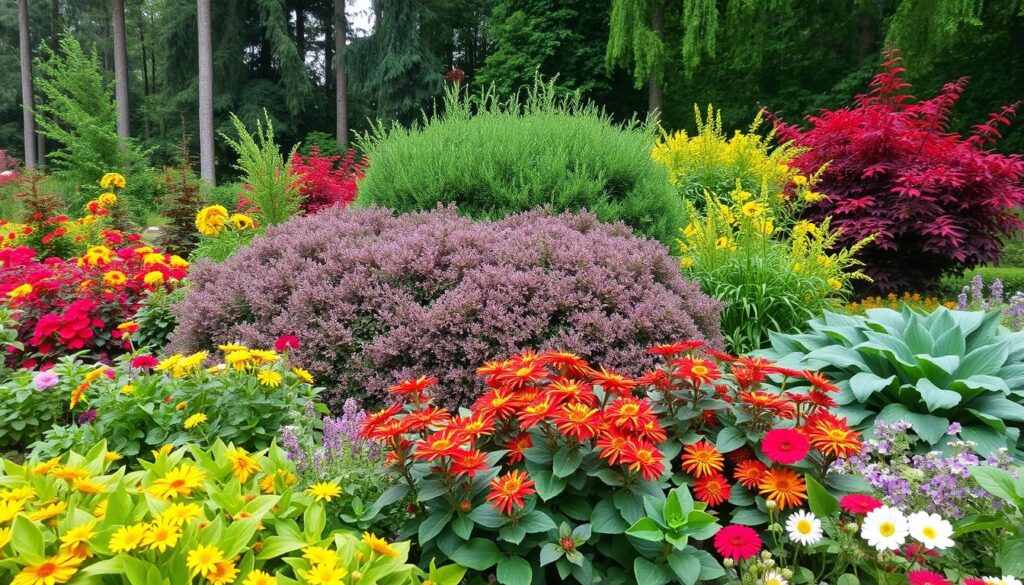
Maryland is a true four-season state. Spring arrives gradually with unpredictable weather. Summer brings heat, humidity, and storms. Fall delivers some of the most beautiful outdoor conditions on the East Coast. And winter, while relatively mild compared to states further north, brings freeze-thaw cycles that put real stress on lawns, hardscaping, and landscape plantings.
For Maryland homeowners, maintaining a beautiful, functional outdoor space year-round requires understanding what each season demands — and doing the right things at the right time. This guide walks through exactly what to do in each season to protect your landscaping investment, keep your outdoor spaces looking great, and set up each upcoming season for success.
Spring is the most important season for Maryland landscaping. What you do — and don't do — in spring sets the tone for how your yard looks and performs all the way through fall.
Assess winter damage first. Walk the entire property in early March and note what the winter did. Look for frost heaving in paver patios and walkways (individual pavers that have shifted upward due to freeze-thaw movement), retaining wall movement, fence post shifting, and damage to hardscaping joints and edges. Address these issues early before the full season begins.
Lawn care for Maryland spring. Early spring is not the time to aggressively fertilize cool-season lawns in Maryland — wait until fall for the primary fertilization. But spring is the time for assessment: overseed bare or thin areas in March or April while temperatures are still cool, apply pre-emergent weed control before soil temperatures reach 55°F, and get the first mow in once the grass reaches 3–4 inches.
Mulch planting beds. Apply 2–3 inches of fresh mulch to all planting beds in spring. Mulch retains soil moisture through summer, regulates soil temperature, suppresses weeds, and improves the overall appearance of the landscape dramatically. Do not pile mulch against plant stems or tree trunks — leave a gap to prevent rot.
Inspect irrigation if applicable. If your property has an irrigation system, spring startup involves checking for cracked pipes, stuck or misdirected heads, and controller programming for the new season. Address any issues before the dry summer months arrive.
Plant cool-season annuals. Pansies, snapdragons, and other cool-season annuals can go in Maryland planting beds and containers in March and April. They provide color while perennials are just emerging.
Hardscape joint sand. If your paver patio or walkway has lost joint sand over winter, spring is the time to add fresh polymeric sand to refill and reseal the joints.
Maryland summers are hot and humid — the most stressful season for cool-season lawns and moisture-sensitive plants, but an excellent season for warm-season grasses, heat-loving annuals, and outdoor living.
Lawn watering strategy. Maryland's cool-season fescue lawns are under maximum stress in July and August. Water deeply and infrequently — 1–1.5 inches per week total, applied in 2–3 sessions rather than light daily watering. Deep watering encourages deep root systems that are more drought-resistant. Early morning watering reduces evaporation and fungal disease risk.
Raise mowing height. During summer heat in Maryland, raise the mower deck to 3.5–4 inches for fescue lawns. Taller grass shades the soil, retains moisture better, and stresses less in heat. Never remove more than one-third of the blade height in a single mowing.
Monitor for lawn disease. Maryland's summer humidity creates ideal conditions for fungal lawn diseases — brown patch and dollar spot are common in fescue lawns. Brown irregular patches appearing in July or August are often disease rather than drought. Avoid overwatering, improve air circulation where possible, and treat with appropriate fungicide if needed.
Hardscape maintenance. Summer is a good time to inspect and reseal concrete patios and stamped concrete surfaces. Sealer that was applied the previous fall may have worn in winter and spring. A fresh seal coat in early summer protects the surface through the heavy-use season.
Patio and outdoor living use. Summer is peak season for Maryland's outdoor living spaces. If landscape lighting or outdoor kitchen features need any attention before summer entertaining season, address them in late May or early June before the heaviest use begins.
Pest control. Grubs, Japanese beetles, and deer are the most common landscape pests in Maryland summer. Grub control applications are most effective in late June through July when grubs are young. Deer repellent applications on vulnerable plantings should be maintained throughout summer.
Fall is arguably the most important and most rewarding season for Maryland lawn and landscape care. The cool, moist conditions of Maryland's September and October are ideal for almost every major lawn and landscape task.
Fall lawn care is the priority. In Maryland, fall — not spring — is the primary lawn care season for cool-season grasses. September and October are the best months to overseed thin or bare lawn areas, aerate compacted soil, and apply the primary fertilization for the year. Cooler air temperatures, warm soil, and adequate rainfall create near-ideal germination and rooting conditions.
Aeration and overseeding. Core aeration in late August or early September relieves soil compaction, improves drainage, and allows water, fertilizer, and air to reach grass roots. Immediately following aeration is the best time to overseed thin areas for Maryland lawns.
Fertilization. A fall fertilization application — typically late September through October — is the most impactful single fertilization a Maryland cool-season lawn can receive. It promotes root development, strengthens the lawn going into winter, and delivers green-up the following spring.
Plant fall color. Ornamental kale, mums, and cool-season annuals extend color in Maryland landscape beds and containers through October and into early November. Plant in September while nighttime temperatures are still mild.
Mulch and bed cleanup. Fall is a good time to cut back spent perennials, remove annual plantings after frost, and add a light layer of mulch to planting beds before winter.
Prepare hardscaping for winter. In October and November, have concrete surfaces and stamped concrete sealed if it was not done in summer. Ensure paver joints are filled with polymeric sand before freeze-thaw season begins. Disconnect and drain outdoor water features and any irrigation systems.
Maryland winters are milder than northern states but still bring freeze-thaw cycles, occasional ice storms, and conditions that affect hardscaping and landscape plantings. Winter is primarily a monitoring and preparation season rather than an active one.
Monitor hardscaping for frost heave. After each significant freeze-thaw cycle, check paver patios, walkways, and retaining walls for movement or shifting. Minor frost heave in individual pavers can be reset in spring. Significant retaining wall movement should be assessed by a professional.
Protect vulnerable plants. Newly installed sod, recently planted shrubs, and marginally hardy perennials may benefit from winter mulch coverage in Maryland. Burlap wraps on broadleaf evergreens (boxwood, holly) in exposed positions protect against desiccation from winter wind.
Ice management on hardscaping. Use sand or calcium chloride rather than rock salt (sodium chloride) on concrete and paver surfaces in Maryland. Rock salt accelerates spalling and deterioration in concrete, and polymeric joint sand in paver joints can be affected by aggressive salt applications. Calcium chloride is effective at lower temperatures and less damaging to surfaces.
Plan the next season. Winter is the best time for Maryland homeowners to plan outdoor projects for the coming year. Landscape contractors begin booking spring projects in January and February. If you want your project completed in time for summer enjoyment, the planning and contracting process should happen in winter.

At Unlimited Landscaping, we work with Maryland and Delaware homeowners year-round — from spring startup and summer maintenance to fall lawn overseeding and winter hardscape assessment. Whether you need a full outdoor transformation or seasonal support for an existing landscape, we are here throughout the year.
Request your free estimate today.
Unlimited Landscaping — Where Your Outdoors Has No Limits.


