When Maryland homeowners start planning a fence installation, the question that comes up almost immediately is: which material should I choose? Wood, vinyl, and aluminum are the three most popular fencing materials in Maryland and Delaware — and each has real strengths, real weaknesses, and situations where it clearly outperforms the others.
This guide is designed to help you make a confident, informed decision. We are comparing wood vs. vinyl vs. aluminum fence across every dimension that matters for Maryland homeowners: appearance, durability, maintenance, cost, lifespan, and performance in our specific climate.
Maryland is not an easy climate for outdoor materials. Hot, humid summers accelerate rot and mold growth in wood. Significant rainfall keeps moisture levels high for extended periods. Freeze-thaw cycles in winter expand and contract materials repeatedly. UV exposure from strong summer sun fades and degrades surfaces over time.
Any fence material you choose for a Maryland property needs to hold up against all of these forces — not just one. This is why material choice matters more in Maryland than in milder climates, and why the cheapest upfront option is often not the least expensive over time.
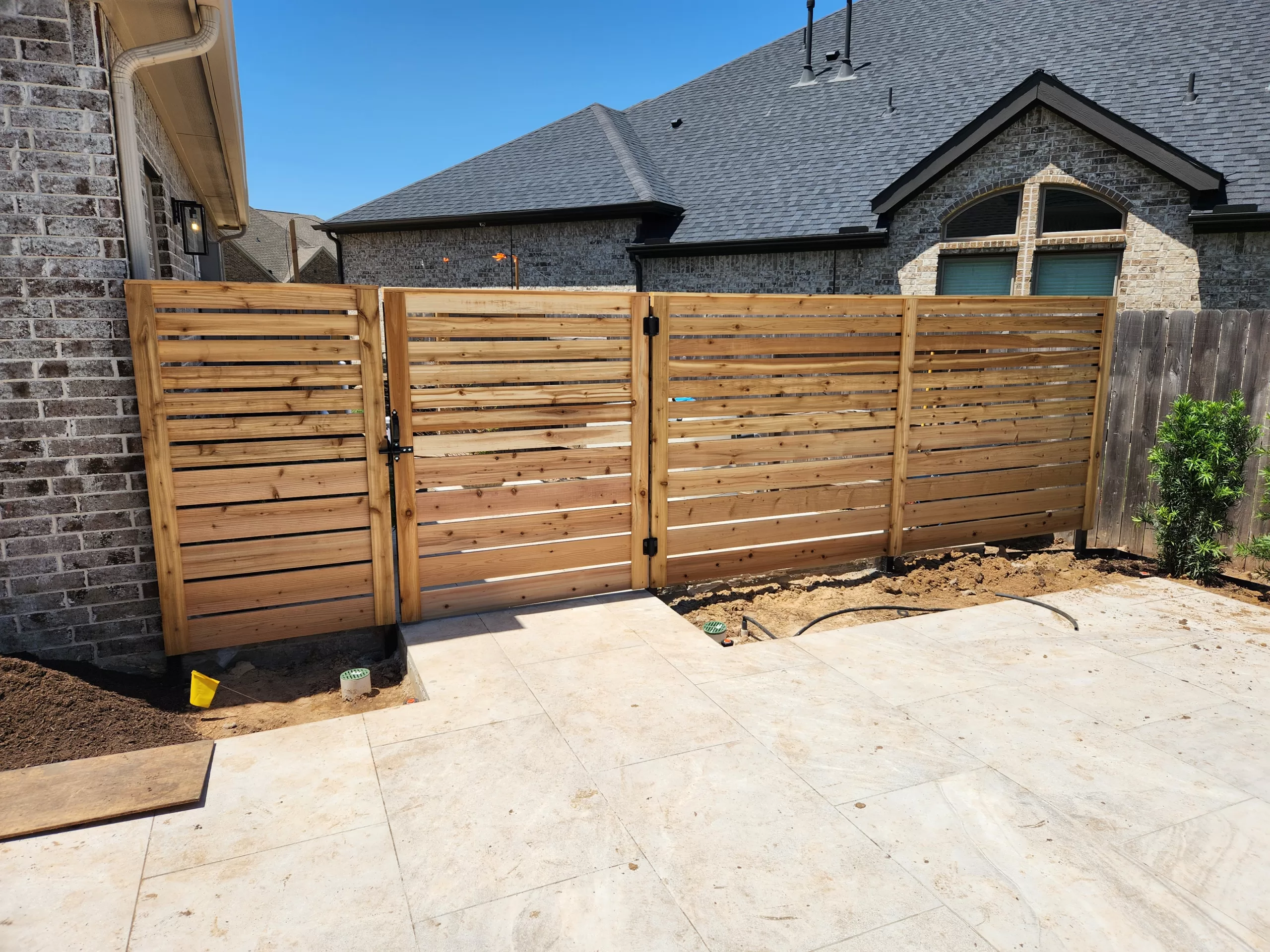
Wood fencing is the classic American choice — warm, natural, and beautiful. In Maryland, cedar and pressure-treated pine are the most common species for fence installation.
Appearance: Nothing matches the natural warmth and character of real wood. A freshly installed cedar privacy fence is genuinely beautiful, and wood can be stained or painted in any color to match your home.
Durability in Maryland: This is where wood shows its limitations in our climate. Maryland's humidity, rainfall, and temperature swings accelerate the natural processes of rot, warping, and insect damage in wood. Cedar is naturally more rot-resistant than pine and is the better choice for Maryland. Pressure-treated pine is chemically treated to resist rot and insects but still requires maintenance to stay looking good.
Maintenance: Wood fencing in Maryland requires real commitment. Staining or sealing every 2–3 years is necessary to prevent graying, warping, and rot. Without maintenance, wood fences in Maryland deteriorate significantly within 5–7 years.
Lifespan in Maryland: 15–20 years with proper maintenance. Less without.
Cost in Maryland: $18–$30 per linear foot installed.
Best for: Maryland homeowners who love the natural wood aesthetic and are genuinely committed to the maintenance required to keep it looking good.
Vinyl fencing has become extremely popular in Maryland over the past two decades — and the primary reason is maintenance. Vinyl delivers a clean, painted-wood appearance without any of the upkeep that wood requires.
Appearance: Modern vinyl fencing looks significantly better than the early PVC products that gave it a cheap reputation. Today's vinyl comes in multiple styles, profiles, and colors — including wood-grain textures that closely mimic real wood at a distance. Crisp white privacy fencing is the most popular style across Maryland neighborhoods.
Durability in Maryland: Vinyl handles Maryland's climate well. It doesn't rot, warp, or attract insects. UV-stabilized formulations resist fading from summer sun. The main vulnerability is impact — vinyl can crack or shatter in extreme cold, and it can warp slightly in very high heat if the color is dark and it's in full direct sun.
Maintenance: This is vinyl's greatest strength. Wash it with a hose once or twice a year and it looks new. No staining, no sealing, no painting — ever.
Lifespan in Maryland: 20–30+ years with minimal maintenance.
Cost in Maryland: $25–$40 per linear foot installed. Higher upfront than wood, lower long-term when maintenance costs are factored in.
Best for: Maryland homeowners who want the look of a painted wood privacy fence without the maintenance commitment. The most practical choice for most Maryland residential privacy fencing applications.
Aluminum fencing occupies a different category than wood and vinyl — it is primarily a decorative and boundary-defining material rather than a privacy solution. The open picket design provides visibility while clearly marking property lines, adding architectural character, and delivering an elegant, classic appearance.
Appearance: Powder-coated aluminum fencing has a refined, traditional look that suits Maryland's many colonial and craftsman-style homes beautifully. It is available in black, bronze, white, and other colors. The classic picket-style aluminum fence around a front yard is a timeless Maryland aesthetic.
Durability in Maryland: Aluminum is essentially impervious to Maryland's climate challenges. It does not rust (unlike iron), does not rot, does not warp, and is not affected by UV exposure. The powder-coat finish protects against fading and chipping for decades.
Maintenance: Virtually none. Aluminum fencing in Maryland may need an occasional rinse — that's about it. No painting, no sealing, no rust treatment.
Lifespan in Maryland: 30–50 years. Aluminum fence installed properly essentially never needs replacement.
Cost in Maryland: $25–$35 per linear foot installed.
Best for: Front yards, pool enclosures, and decorative property boundaries where aesthetics matter more than privacy. Also excellent for homeowners who want to enclose a yard for pets without blocking the view.
Appearance: Wood wins for natural warmth and character. Vinyl wins for clean, low-maintenance painted look. Aluminum wins for decorative elegance and traditional style.
Durability in Maryland's climate: Aluminum is the clear winner. Vinyl is second. Wood requires the most active maintenance to stay durable.
Maintenance: Aluminum requires essentially none. Vinyl requires occasional washing. Wood requires staining or sealing every 2–3 years.
Privacy: Wood and vinyl both provide full privacy in standard 6-foot configurations. Aluminum does not provide privacy.
Lifespan: Aluminum 30–50 years. Vinyl 20–30 years. Wood 15–20 years with maintenance.
Cost (upfront): Wood is least expensive upfront. Vinyl and aluminum are similar in the mid-range. Total cost over 20 years often favors vinyl or aluminum when maintenance costs are included.
Composite fencing — made from a combination of wood fibers and recycled plastic — is a growing option in Maryland that bridges the gap between wood and vinyl. It has the natural texture and appearance of wood with significantly lower maintenance requirements. It is more expensive than either wood or standard vinyl upfront but appeals to homeowners who want a natural aesthetic without the full maintenance burden of real wood.
Choose wood if you love the authentic natural wood look, you are committed to the maintenance schedule, and you want the most affordable upfront investment.
Choose vinyl if you want a clean, painted-wood privacy fence appearance with minimal long-term maintenance. This is the right choice for most Maryland homeowners who want a full privacy fence.
Choose aluminum if you want a decorative, elegant fence for your front yard, pool area, or property boundary — and maintenance is a priority concern. Aluminum is also the best choice when longevity is the primary consideration.

At Unlimited Landscaping, we install wood, vinyl, aluminum, and composite fencing for homeowners across Maryland and Delaware. We will help you choose the right material for your specific goals and property — and handle everything from permits to post installation.
Request your free fence estimate today.
Unlimited Landscaping — Where Your Outdoors Has No Limits.


